Opinion
Why we’re building Ternly for apps
App store optimisation, search engine optimisation and generative engine optimisation usually get separate tools and separate budgets. For an app, all three come down to whether yours is the one people find when they look for an app like it. Ternly is built on treating them as one job.
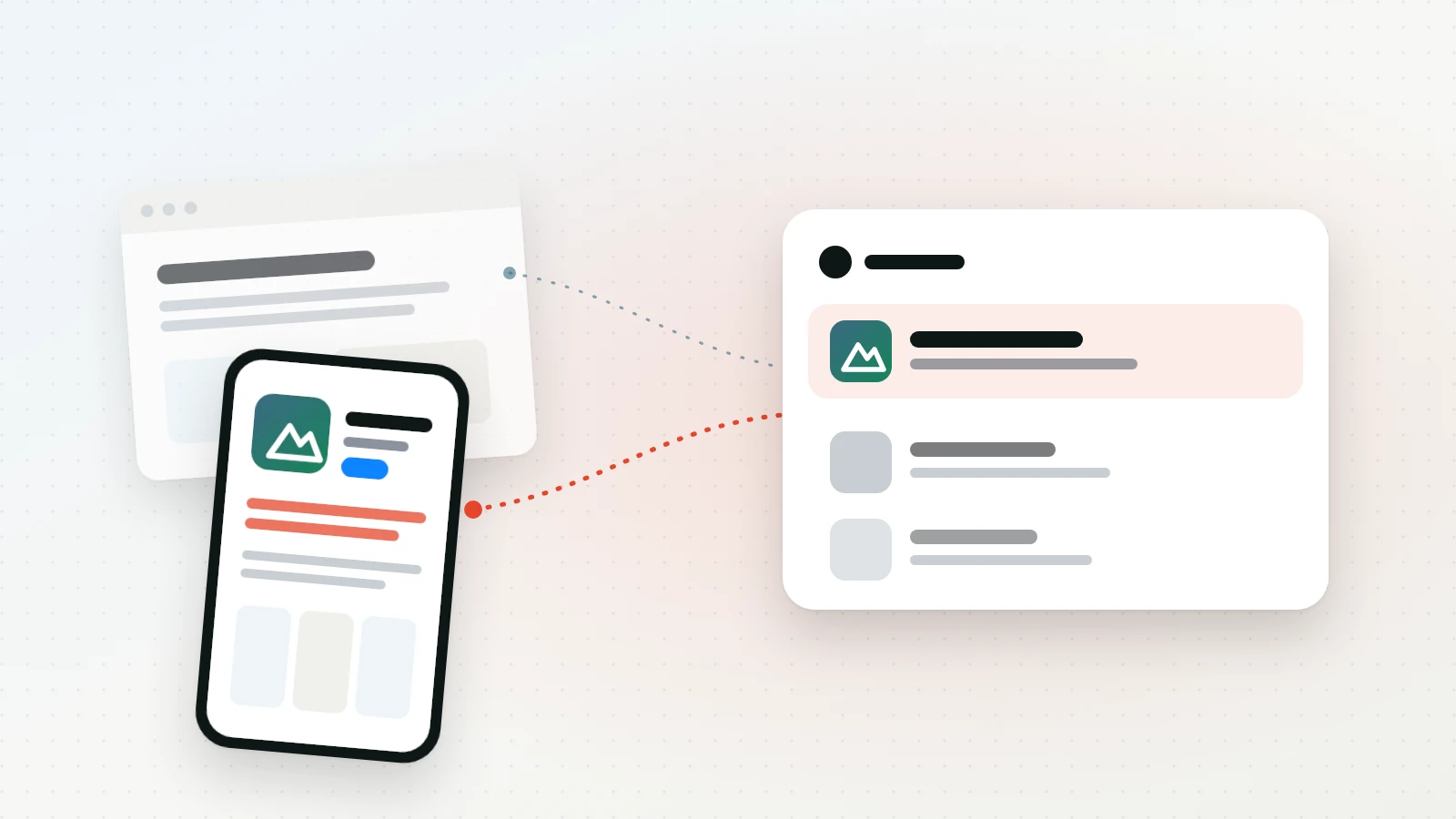
Say someone wants an app for tracking hikes. They might search the App Store, Google “best hiking app”, or ask ChatGPT. Each of those picks a handful of apps to show, and the rest never come up.
The industry has a name for each: ASO for the store, SEO for Google, and GEO (generative engine optimisation) for AI assistants. Each comes with its own experts, tools and dashboards, so most app makers either treat them as separate chores or pick one and hope it covers the others. We think they’re one problem, and the data on where AI answers get their information is the best argument we know for that.
Where AI answers about apps get their information
The most detailed public data comes from AppTweak’s study of more than 125,000 ChatGPT responses in the US, from May 2026. Where an answer recommending apps cited a source, App Store listings made up 37.6% of citations and Google Play listings 9.6%, so nearly half came straight from the stores. The open web, meaning your own site, reviews and articles, made up 27%. The remaining 22.6% had no source, and the model answered from what it already knew. [1] It’s one vendor’s study of one assistant, so the exact numbers deserve some care.
Those numbers line up with the other two jobs. The store listing you write for ASO is the page ChatGPT cited most, the website and articles you work on for SEO make up most of the rest, and the model’s own knowledge was learned from pages like them. GEO gives the pages you already have a new reader, and leaves you no new pages to manage.
What goes wrong when you split it
Run separately, each of the three can look fine on its own dashboard while the app still doesn’t get found. Some of the ways that happens:
- A listing tuned only for store search. The keywords are set and the title ranks, but the description never says plainly who the app is for or what it does better, so an assistant has nothing clear to quote.
- A website that ranks on Google but turns away AI crawlers, because its robots.txt or firewall blocks the bots ChatGPT, Claude and Perplexity use to fetch pages.
- A “best apps for…” article or Reddit thread that ranks on Google, gets cited in AI answers, and names three competitors but not you. Neither an ASO tool nor a rank tracker shows you that page.
- Changes made for one channel by someone watching one number, with nobody checking what they did to the other two.
How Ternly treats it as one problem
Ternly asks ChatGPT, Gemini, Perplexity and Claude the questions people ask before they download an app, and records whether each answer names yours, in what place, which rivals it names instead and which pages it cites. It also reads the two pages those answers lean on: your App Store and Google Play listing, with your store keyword ranks and fixes for the text, and your website, with an audit that includes whether AI crawlers can get in. Google rankings are in the same place, including whether an AI Overview cites you.
All of that ends up in one to-do list of up to five tasks every Monday, whether the fix is on your listing, your site or a page someone else wrote. You don’t have to sort a problem into ASO, SEO or GEO before you work on it.
We started with app makers because the gap is widest for them. Most AI visibility tools were built around a website and most ASO tools around the store, while an app, and the answers people get about it, depend on both.
What this blog is for
We’ll write here about how assistants change the way they recommend apps, what we ship, and what we’ve found works or doesn’t. Posts are short and dated, and we’ll say when we’re unsure. The guides have the step-by-step how-tos.
Sources
- Pierre-Antoine Roy, Which sources do AI search engines cite when recommending apps, AppTweak, 30 September 2026. Data: more than 125,000 ChatGPT responses, US, May 2026.
Sources checked .